Voices from the Field has covered the benefits of the A.R.T. Phase II Grant before, and we are at it again. The breadth of assistance this grant has provided to the arts sector across the state should not be underestimated. Thirty-nine different organizations have grown thanks to the fifteen-million-dollar subsidy. This article aims to highlight another such organization, the Monmouth Museum, which received a $500,000 allotment.
Erika Schaefer, Executive Director of the Monmouth Museum, admits that despite being a former Grant Writer, the application process for this particular grant was one of the most intensive she’d ever pursued. As the NJEDA states, “The A.R.T. Phase II program aims to catalyze community placemaking efforts by leveraging New Jersey’s arts and cultural sector as a creative force for change, and by supporting non-profit organizations focused on public art installations and arts-based initiatives.” With that in mind, the following is an excerpt of how Erika and her team pitched the idea within their over-twenty-page grant application:
“The Monmouth Museum aims to create a satellite location in Dunellen, New Jersey. This represents more than just a cultural center—it is a long-term vision to foster a thriving, arts-driven community in a town poised for revitalization. We aim to enrich the local cultural landscape and create a gathering place where creativity and community come together.
“In the long run, the project seeks to establish a permanent partnership with Dunellen, laying the groundwork for a cultural renaissance in the municipality. The ultimate goal is to transform Dunellen into a vibrant, small-town hub for arts and culture, much like New Hope, Pennsylvania. New Hope has long been celebrated for its thriving arts scene, charming downtown, and cultural significance. Similarly, this project will help make Dunellen a destination for visitors from Middlesex County and beyond, providing not only an artistic and cultural retreat but also enhancing the local economy and community cohesion.”
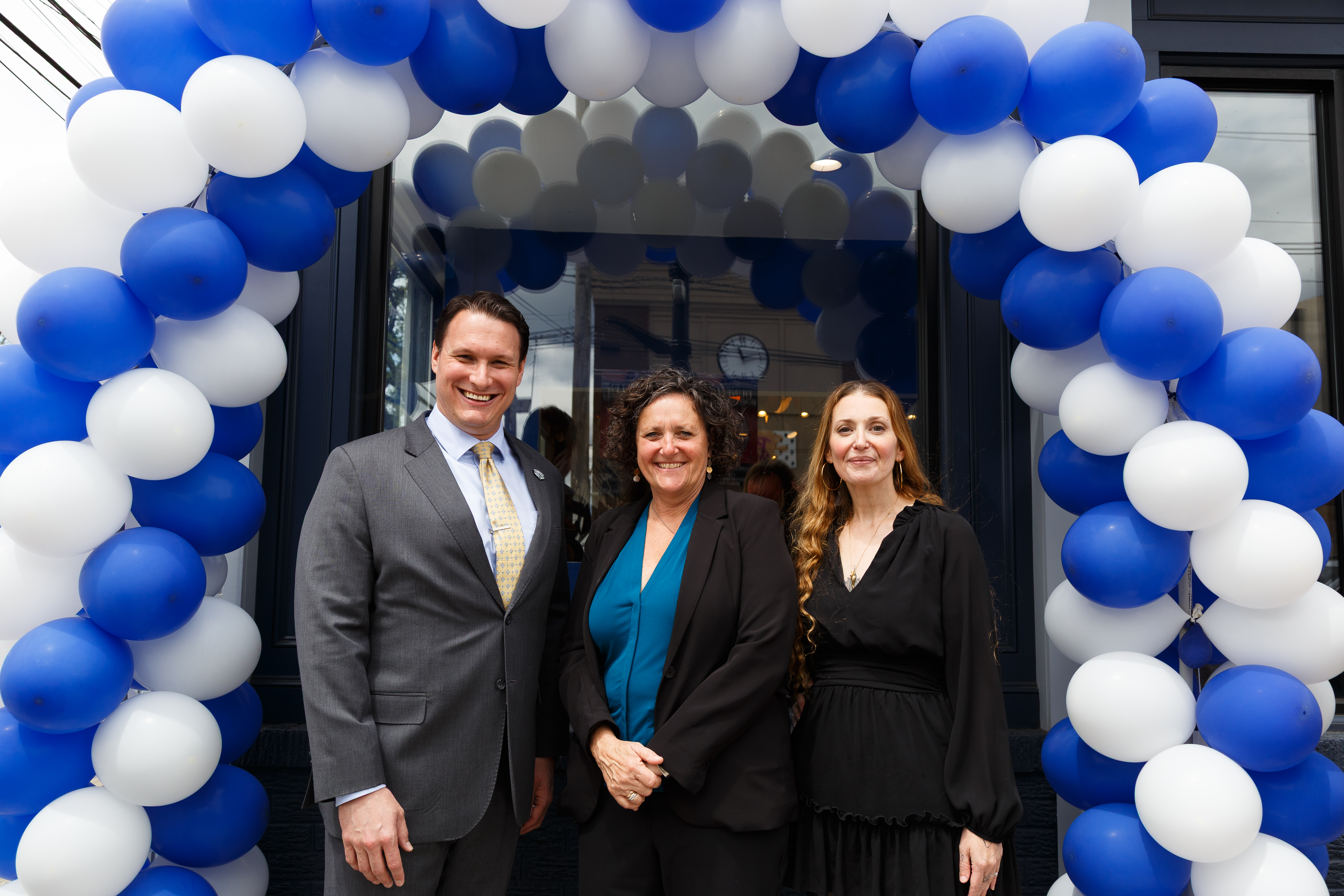
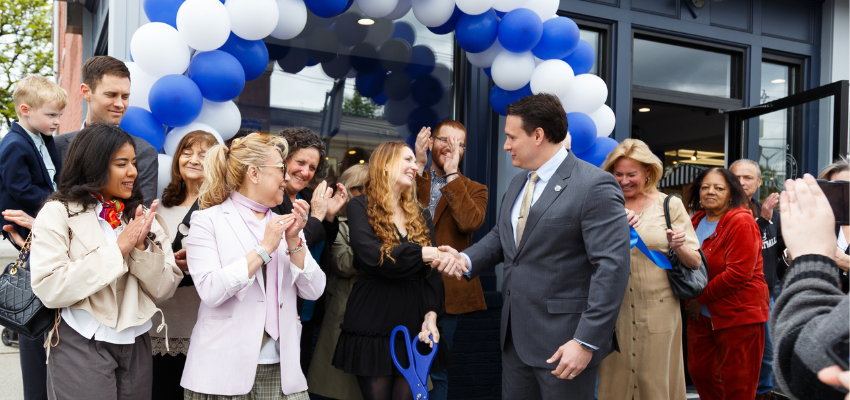
Schaefer says the idea has been wholeheartedly supported by the local government and championed by Mayor Jason Cilento. The Monmouth Museum secured permission to utilize their proposed space in advance of their application in November 2024. When creative placemaking is the goal, partnerships between municipal government and the business sector are crucial to success. Thanks to local support, the Museum was able to open the satellite gallery in under a year. Notified of their grant selection in late 2025, they got straight to work turning the empty Dunellen establishments into a gallery and multi-purpose space. Schaefer clarifies that “it is harder to keep galleries [as opposed to museums] open, so everybody is getting a little creative with what they do. We found two vacant spots on the corner. One side was a dry cleaner and the other, a hair salon. So we tore down the wall, and we made one side a gallery space, and the other is multi-purpose. It’s a workshop, space for kids, and more. We have interactive projectors on the floor and the wall so that we can change the images based on what exhibit is there. We are aiming to make it accessible to everyone, both kids and adults.”
While their Lincroft location is much larger and sustains itself in part with admission fees, the Dunellen gallery is free to the public. The hope is to encourage the community to explore this new space with minimal pressure. There is no financial responsibility for curiosity. The Monmouth Museum team wants guests to wander in and wonder what this new space has to offer. However, if the art speaks to them, the pieces are available for purchase.
“We put a lot of love into everything that comes forward. It’s a really well-rounded, fun experience. The first thing I wanted to do was break down the financial barrier so that it feels very community-focused, community-driven,” says Schaefer.
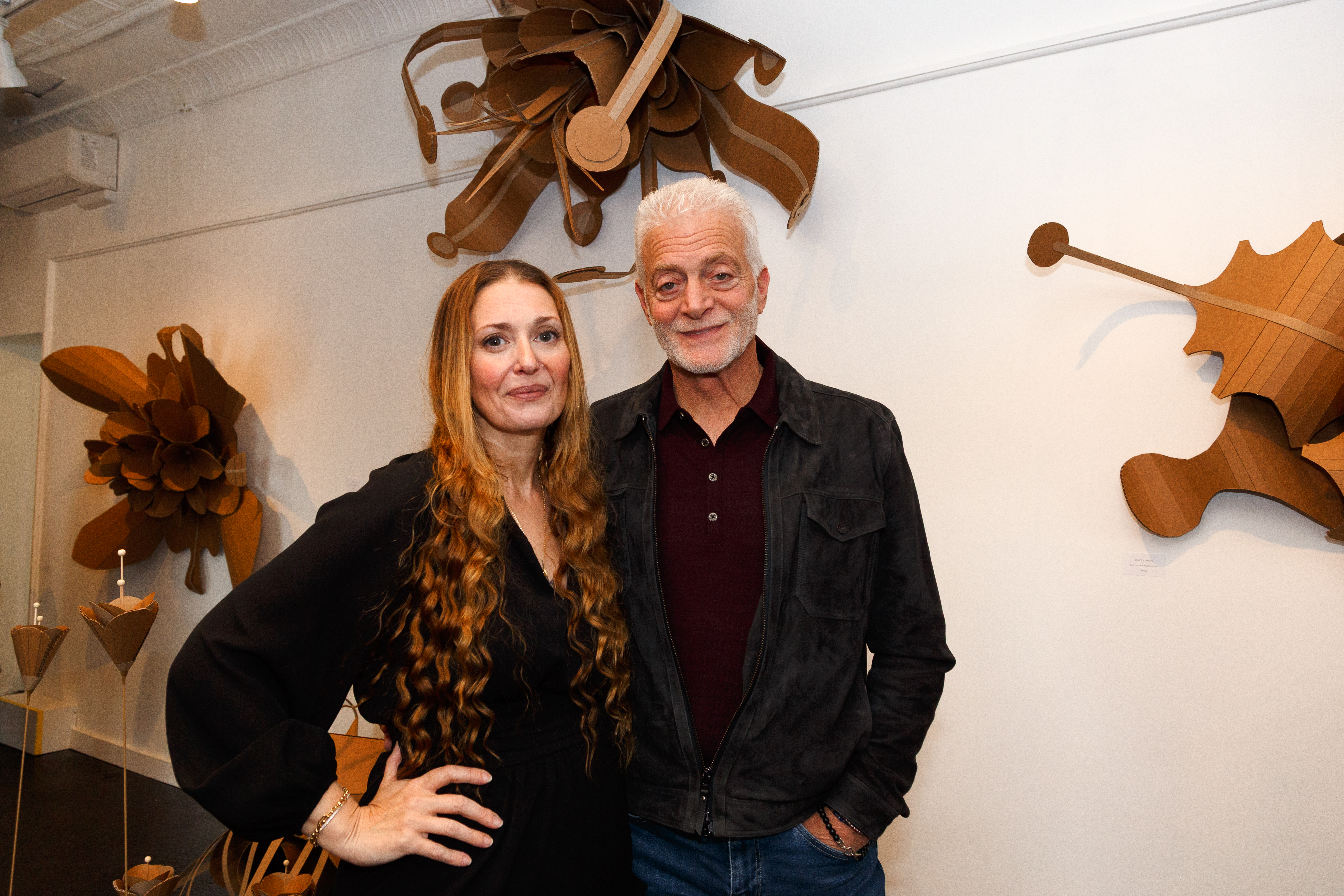
The satellite location opened on May 2, 2026, marking the Museum’s first expansion in its 60-year history. The opening exhibition, now on view through July 5, 2026, is entitled “The Cardboard Show” and features an immersive installation by acclaimed artists Porkchop and Bradley Hoffer. Not only is this exhibit free, but all programming is as well, including free weekend workshops for all ages and weekday storytimes and crafts.
Erika Schaefer has been advocating for a satellite gallery for the last six years or so, with this new location being one part of a larger vision. “Art needs to be accessible. Our main site is on a college campus, and you have to visit us as a destination, whereas if you are strolling in downtown Dunnellen, you’ll be able to stumble across a gallery and fall in love. I am not sure that this would have been possible without the NJEDA grant at this time, but I would love to see more community-focused satellite locations in the future.” She jokes that every time she sees a vacant space with track lighting or great flooring, she makes a mental note that it would be a great gallery.
In expressing her appreciation for this grant, she made sure to sing Barbara Bickart's praises, NJEDA Senior Advisor for Arts & Culture, calling her the voice of arts and culture in the state. “Having an advocate on that level, and for arts and culture to be seen as a driving force of the economy, which it is, is so pivotal. [In this case], Dunellen having a downtown council, an arts and inclusion committee, and a mayor that wants to see us succeed puts us ahead of the game as well. I hope that more grants of this size will come about so that we continue this kind of work.”